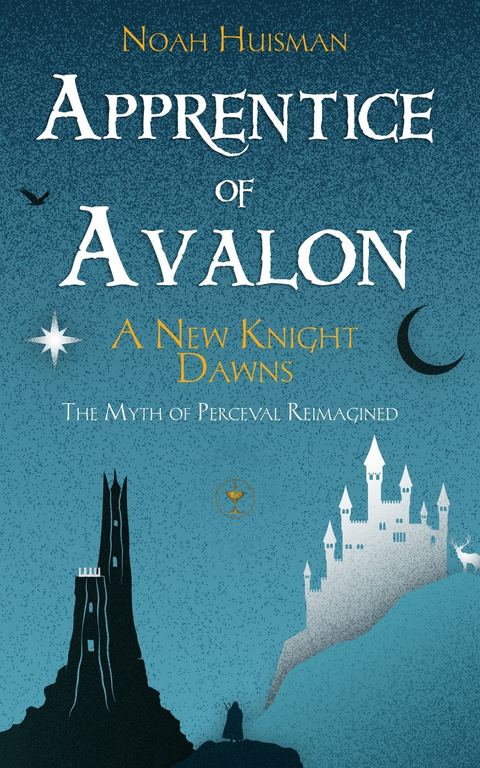
 I
IA New Knight Dawns
An old darkness awakes as the boy raised far from the courts of Camelot begins his quest to become the Grail Knight, plunging into a perilous world of knights, wizards, and wounded kings.
Available nowBEGIN THE QUEST →
 The Apprentice of Avalon
REIMAGINING THE MEDIEVAL MYTH OF PERCEVAL
"And as she walked into the hall, holding this grail, it glowed with so great a light that the candles suddenly seemed to grow dim, like the moon and stars when the sun appears in the sky."Chrétien de Troyes, Perceval, the Story of the Grail
IAn old darkness awakes as the boy raised far from the courts of Camelot begins his quest to become the Grail Knight, plunging into a perilous world of knights, wizards, and wounded kings.
Available now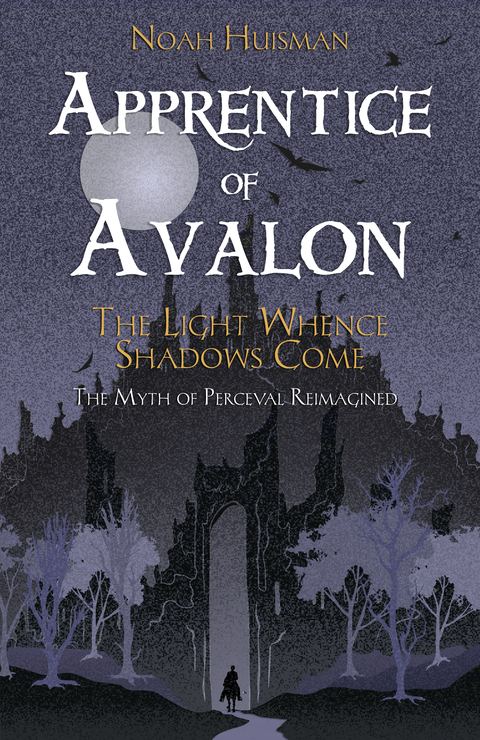 II
IIPerceval and the Knights of King Arthur's court are called away on separate quests — Perceval to redeem his failure with the Fisher King and the others to answer the Witch's challenge.
COMING WINTER 2026The Apprentice of Avalon retells the oldest of the written Grail stories — the myth of Perceval. The original story comes down to us from three sources. The two most famous and well-known versions come from the French poet, Chrétien de Troyes, who wrote Perceval, the Story of the Grail (12th century), and the German poet, Wolfram von Eschenbach, who wrote Parzival (13th century). The one most often lost or overlooked is the story of Peredur, written by an anonymous author in the 12th or 13th century, and included in the Welsh Mabinogion. (This is to say nothing of the Four Continuations of Chrétien's Perceval.)
These different versions overlap in many ways, and diverge in several others. But at their core, they tell the same story: about a boy raised far from the world of chivalry growing into the Grail Knight. On his way, he finds beasts and witches and a court of fading honor; he sees the sacred Grail and a wounded king and fails to ask the healing question: whom does it serve?
The Apprentice of Avalon aims to reimagine this legend in a way that both honors the heart and message of tradition and adds to the legend, much like C.S. Lewis did with Till We Have Faces (his reimagining of the myth of Cupid and Psyche).
The story of Perceval is a myth whose time has come again — he is the archetype of the innocent fool who becomes the savior. His story is the story of a boy’s progression from a naïve state in his rural seclusion and ignorance to the status of one of the most respected knights in all of Arthur’s courts. It is a story about the fool who saves and a story about the eternal return of purity revitalizing the wasteland.
In his education, he has two mentors in de Troyes’s tale: his mother and Gornemant. In this reimagining, he also has a third, Merlin, who is representative and symbolic of what might be seen as the third unnamed teacher in de Troyes: Nature. From these mentors, the boy learns the skills of heart, mind, and soul and is given the trinity of education that allows the once-fool to become the wise and kind warrior that revitalizes a wasteland.
Semper ad lucem.
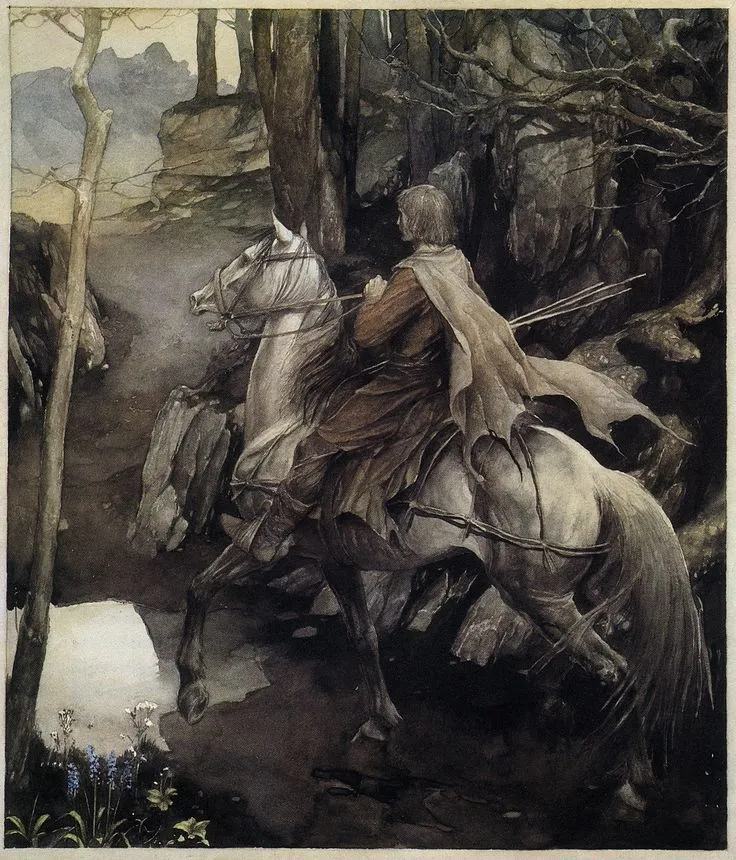
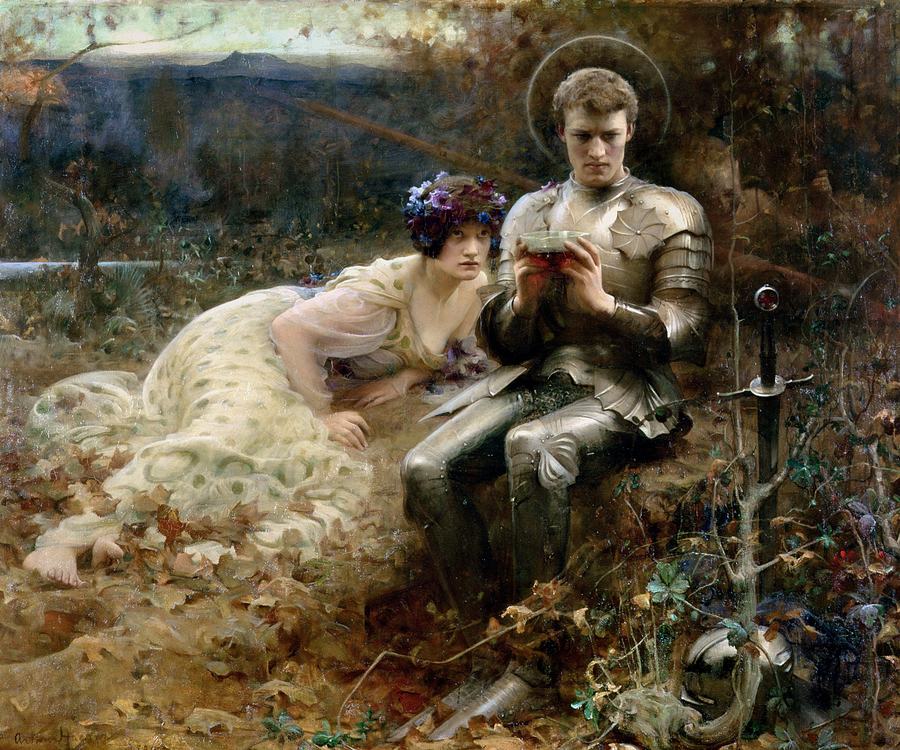
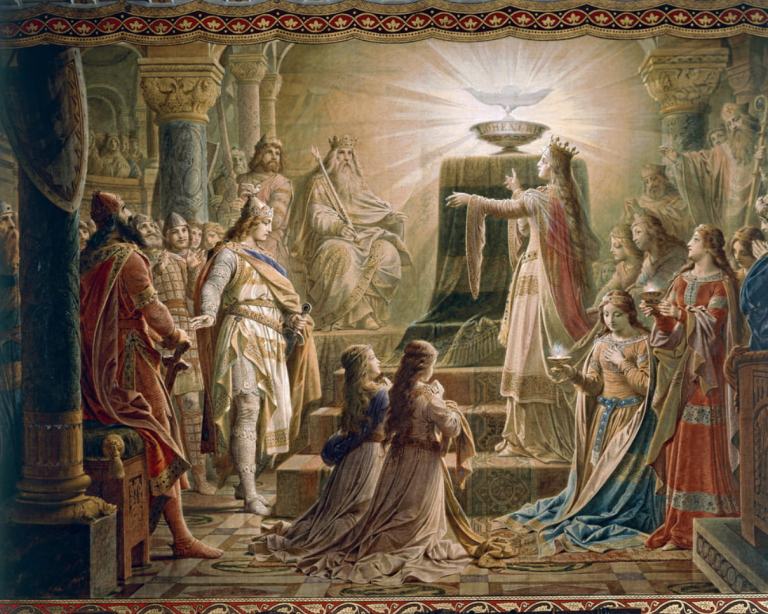
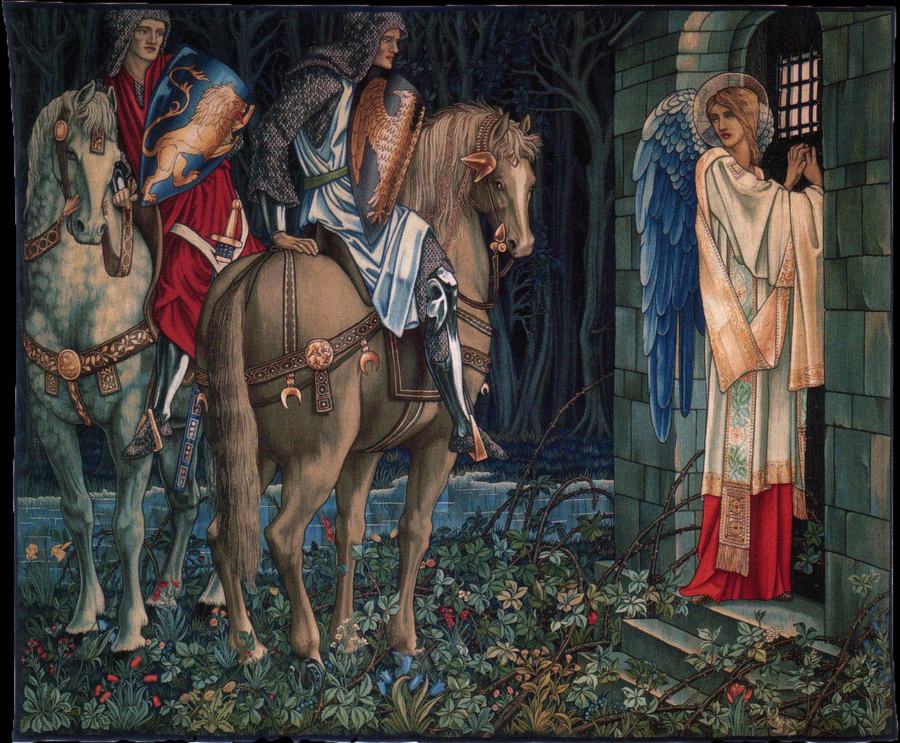
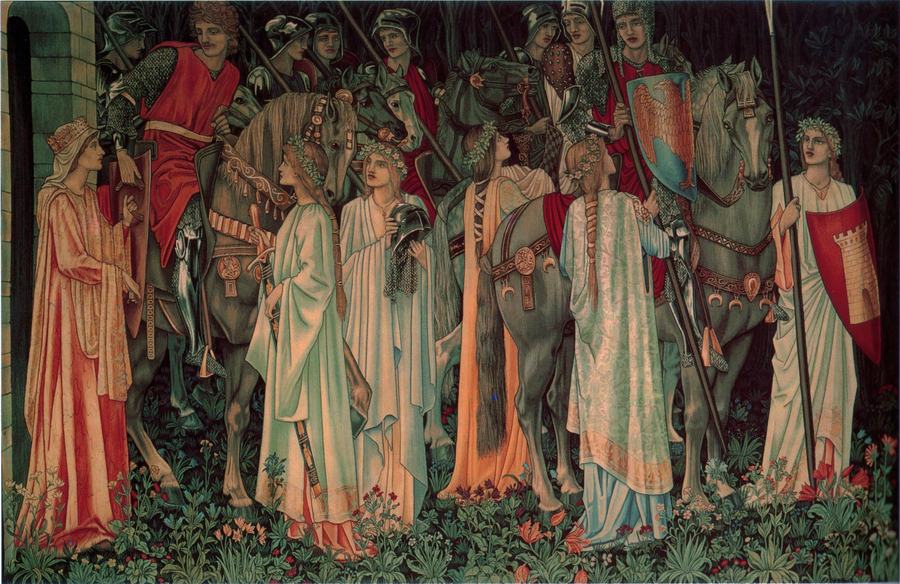
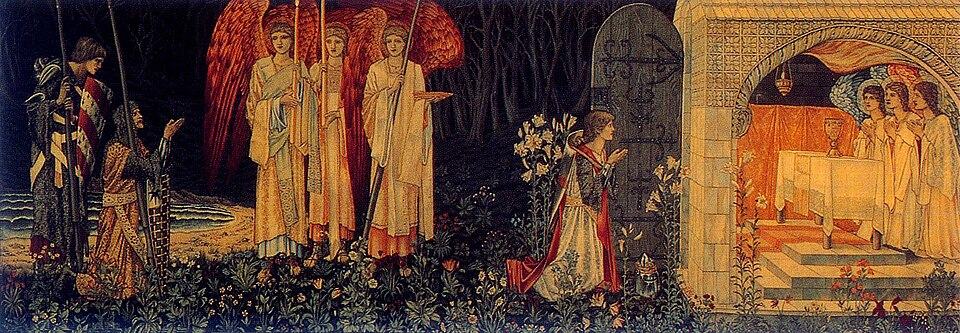
A mythic version of Britain — inspired by its true geography, caverns, coasts, and hill-forts — where real history mingles with soft magic and old legends.
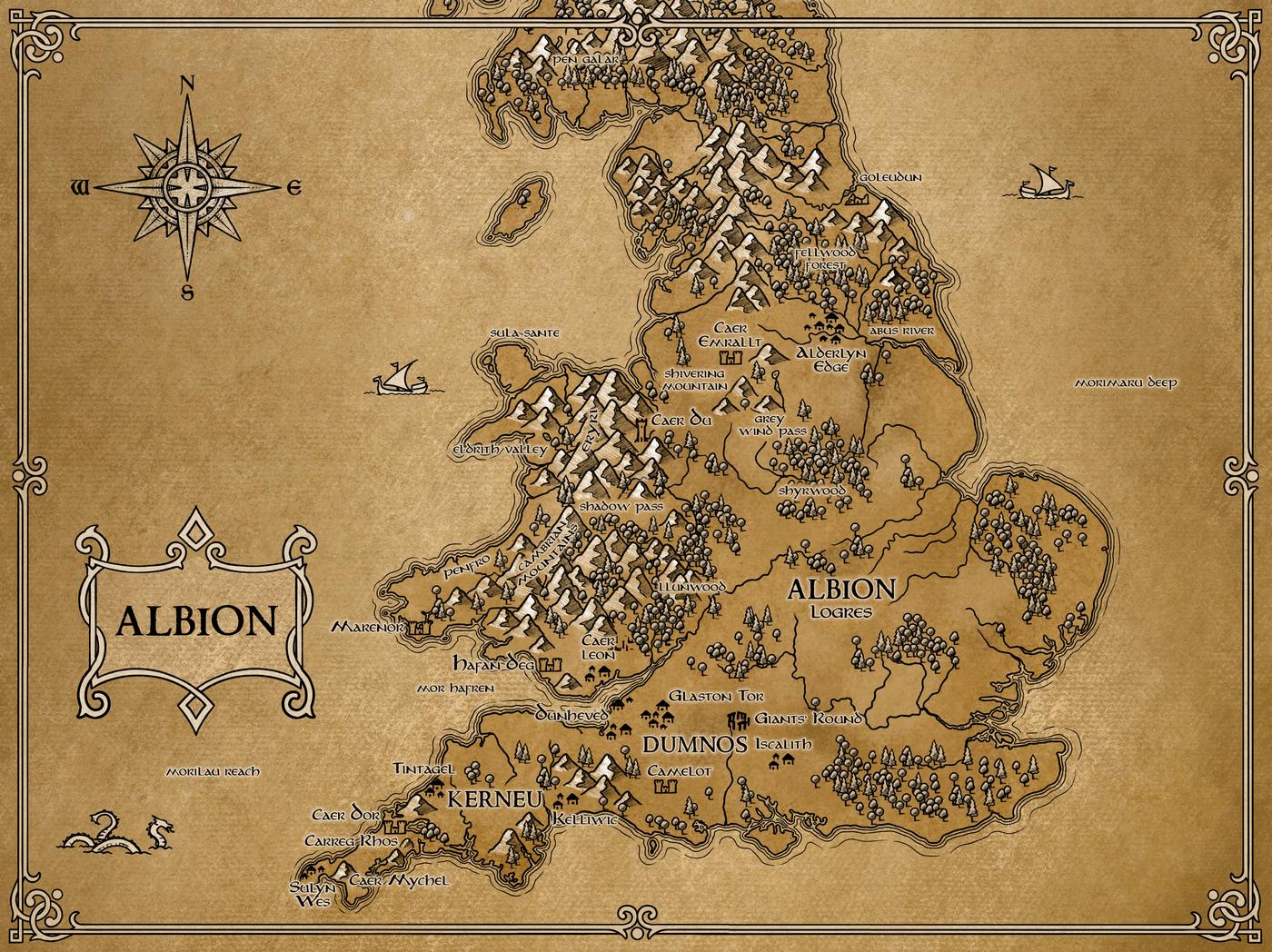
Play "Perceval: Quest for the Grail" — an 8-bit chronicle of Albion. Reach Goleudun in the top right and watch the world transform.
For more on the writing process and making of the Cycle — the research, the pilgrimages, the philosophy underneath — subscribe to the newsletter: The Lumenorean.
Join The Lumenorean